
AnnotaMark vs Hypothesis: which web annotation tool fits your workflow?
AnnotaMark and Hypothesis both support web annotation, but they serve different jobs. AnnotaMark is stronger for visual markup, design feedback, whiteboards, and QA context. Hypothesis is stronger for text-centered academic annotation and public discussion.
Feature table
Quick comparison
| Feature | AnnotaMark | Hypothesis |
|---|---|---|
| Primary workflow | Visual web annotation, drawing, highlighting, whiteboards, and dashboard review. | Text-first collaborative annotation for reading, education, and public discussion. |
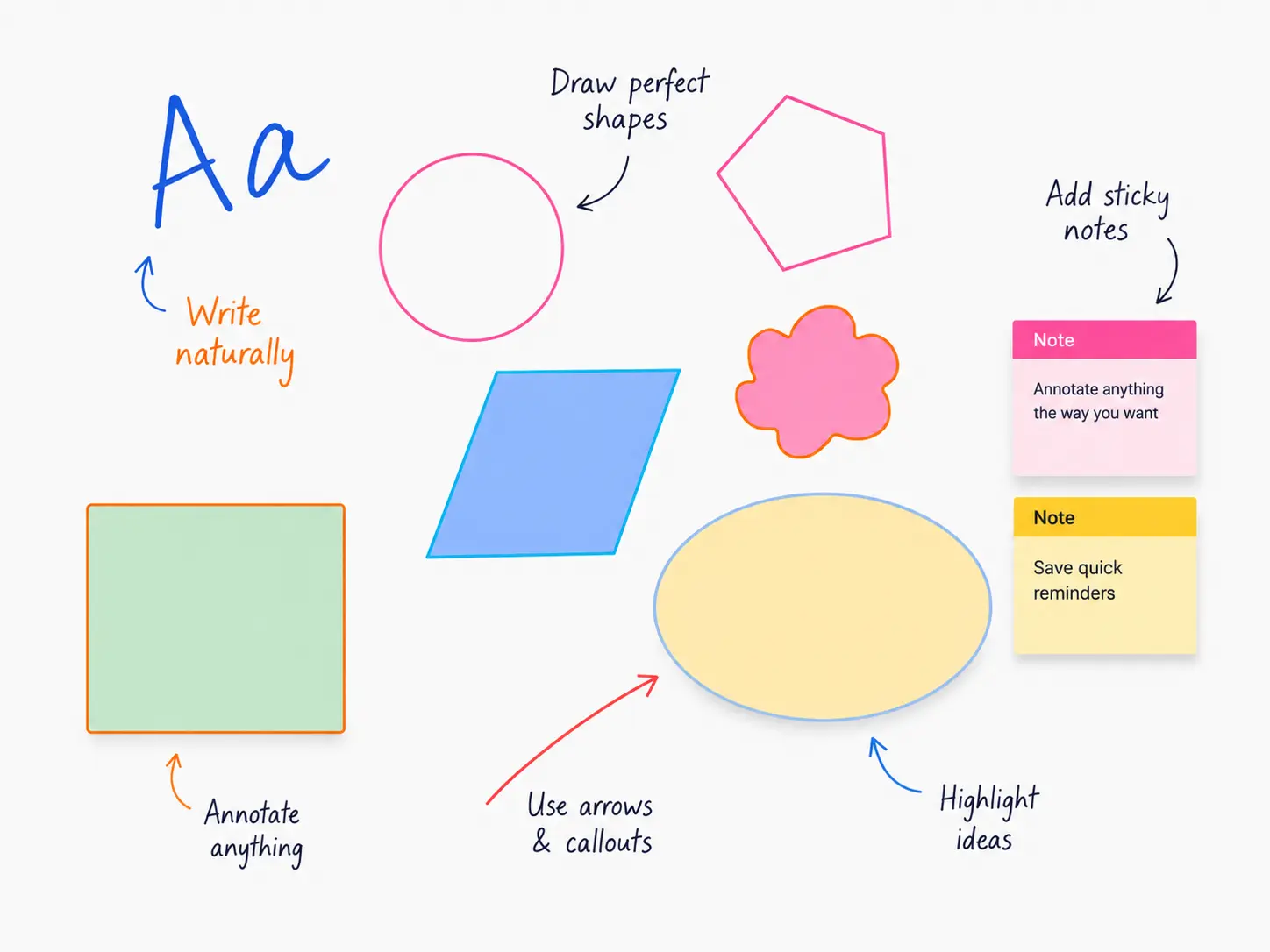
| Drawing tools | Pen, shapes, arrows, lines, fill, eraser, magic eraser, and sticky notes. | Focused on text annotation and replies rather than visual drawing tools. |
| Whiteboard | Includes browser-based whiteboards on Premium. | Does not focus on whiteboard workflows. |
| Research and education | Useful for highlighting and saving source context, especially with dashboard organization. | Strong fit for academic discussion, classroom annotation, and text-centered collaboration. |
| Design and QA feedback | Built for visual callouts on live pages, UI review, and bug reporting. | Better suited to textual commentary than pixel-specific visual feedback. |
Best fit
When to choose AnnotaMark
Choose AnnotaMark when your annotation needs are visual. It is a strong fit for website feedback, UI review, visual bug reporting, research highlighting, and teams that need a whiteboard alongside page markup. The toolset is built around showing what you mean directly on the page.
Design and QA teams
Use arrows, shapes, notes, and freehand drawing to make visual review comments easier to understand.
Visual collaboration
Move from live page markup to whiteboards when the team needs a blank canvas for planning or review.
Dashboard organization
Keep saved annotations and whiteboards discoverable from a central workspace.
Honest tradeoff
When Hypothesis may be a better fit
Hypothesis may be a better fit if your main workflow is classroom discussion, public text annotation, or academic reading groups centered around threaded comments. AnnotaMark is intentionally more visual and product-workflow oriented, so the right choice depends on whether you need text discussion or visual markup most.